The Hoboken Girl Team
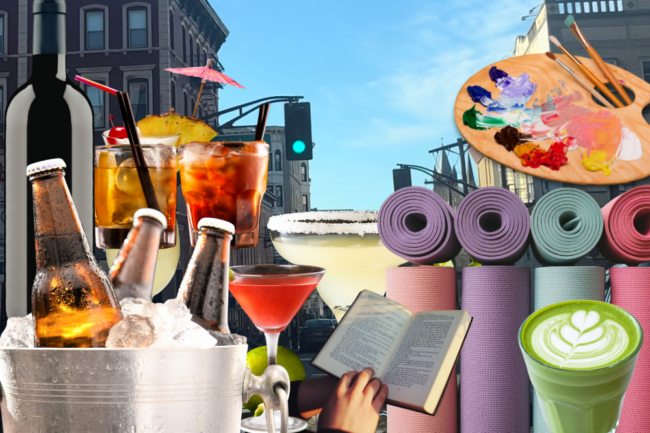
It’s no secret that Gen Z is drinking less than previous generations, and trends like Dry January and the rise of soft bars show no signs of slowing down. While a shift toward alcohol-free living might seem surprising in a city known for its nightlife, Hoboken’s younger residents have embraced a lifestyle centered around wellness, connection, and clarity. Instead of late-night bar crawls, many are choosing activities that feel more intentional, such as fitness classes, cozy coffee meetups, and events focused on community and self-care. With so many options that don’t revolve around alcohol, choosing a sober or low-alcohol night out in Hoboken has never been easier. Read on to learn more about how Gen Z is changing the culture around alcohol here in Hoboken.
A Local Perspective
Social media feeds are jammed with new facts, tips, and hacks around wellness, driving the conversation about the negative impacts we’re still learning that alcohol can have on health. Now the percentage of adults in the US who say they drink alcohol has fallen to 54%, according to a 2025 survey from Gallup. It’s the lowest percentage point in the organization’s 90-year trend.
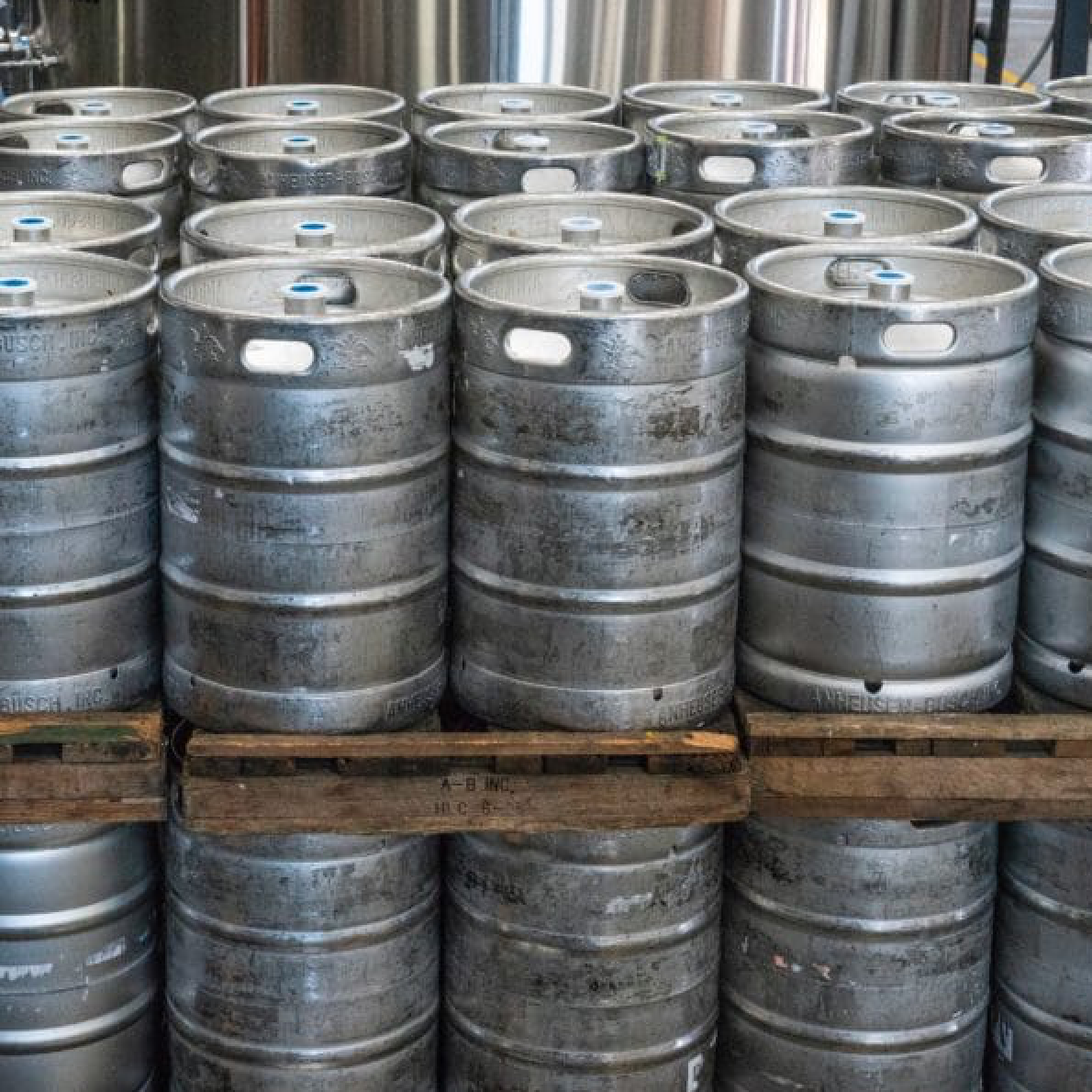
Taking a dive into the craft beer scene, and it’s changing for those over the age of 21. 2025 was the second consecutive year brewery closings outpaced brewery openings, according to data from the Brewers Association. The shift in consumer habits surrounding the alcohol industry is forcing brewers to rethink their business strategies by creating third spaces for their customers and brewing more non-alcoholic options.
Local favorite Hoboken Brewing is one of the over 9,700 small and independent breweries operating in the United States.
A Hoboken-born company is noticing the shift itself. Andrew Zebrowski is one of the co-founders of Hoboken Brewing Company. The brewery launched in 2017 and has been distributing its beers to many Hoboken-area bars and liquor stores. Some of their more popular brews include Cityside IPA, Pier Pressure, and the Hobo Pils.


Andrew tells The Hoboken Girl that the brewery has had to adjust its strategy to keep up with shifting drinking trends, specifically among Gen Z drinkers.

“I don’t necessarily view it as Gen Z is drinking less. It’s more so that Gen Z’s drinking more intentionally,” Andrew, a millennial, shared. “They’re still social. They still go out, but they kind of value balance and wellness in a way that our generation didn’t prioritize as much.”
He’s right: Gen Z drinkers are more likely to pay a premium for drinks that have high-quality ingredients, unique flavor combinations, and innovative packaging, according to a report from Grand View Research.
Andrew reflected on his younger years when meeting up with a friend for a beer or two was the norm. “We didn’t have social media all around us, kind of throwing, throwing wellness in our face and, you know, Who can live the longest, who can be the most fit, and this Instagram world is about how you look and also, socialization in general is so shifted to the internet and, and social media and that the millennials were the last generation that didn’t have that at all.”
“In this ever-growing industry, we have to have this place for community, and I think that’s exactly what the Gen Zs want,” Andrew says. “They still want to go out there and enjoy themselves. They just want to have one versus three beers.”
“For craft beer specifically, it’s not necessarily a threat; it’s more of an evolution,” says Andrew. “The brands that adapt to this change with more sessionable products, meaning lower alcohol, and make a stronger community connection, will still thrive.”
Read More: This Artist Creates Wearable Art With Nods to Hoboken + NYC
Andrew explained that when he started Hoboken Brewing Company, the goal was always to create a taproom experience to welcome guests and create a unique beer-drinking experience.
He says, because his company noticed the shifting consumption trends, “we realized the importance of experience versus just excess and just distributing our beer to all the bars and restaurants. The taproom experience is more essential than ever.” He’s getting closer to opening that taproom, telling HG his team is planning on opening a new concept in New Jersey sometime in 2026.
He’s not the only one. Here’s a breakdown of the roughly 9,700 breweries operating in the US.
- Over 2,000 are microbreweries – a small, independent brewery producing typically less than 15,000 barrels of beer annually.
- 3,500 are brewpubs – an establishment selling beer brewed on the premises, often including a restaurant.
- Nearly 4,000 are taproom breweries – a venue attached directly to a production brewery.
- Over 200 are regional craft breweries – an independent, traditional brewery producing between 15,000 and 6 million barrels of beer annually.
Another hit some craft brewers are dealing with is the variety of drinks available on the shelves. The ready-to-drink canned cocktails market is exploding, with the market expected to nearly triple in size over the next eight years. Hard seltzers experienced rapid growth in recent years, going from 10 brands selling the bubbly drinks in 2018 to over 300 on shelves in 2024. THC drinks are still new, and were briefly banned in New Jersey back in 2024, but still provide another option for consumers looking for an alternate drink.
Speaking of alternative drinking options, non-alcoholic beers are another rising trend. For a beer to be considered non-alcoholic, it has to be below 0.5% ABV. For a very long time, the only option for non-alcoholic beer was O’Douls. Now you can find Heineken 0.0, Guinness 0.0, Corona Non Alcoholic, Athletic Brew, and so many other NA drinks at bars and liquor stores across the country.
“The shelf space is limited,” Andrew says. It may seem like doom and gloom for your favorite brewing spots, but these changing consumer habits seem to present an opportunity for growth for many craft brewers.
“We’ll survive the shift, the evolution,” says Andrew. “We welcome it too, because at the end of the day, it’s a good thing.”
Pat Light, a Hoboken bar and restaurant owner, appeared on the TODAY show to talk about this trend. “I could give free drinks away. It doesn’t matter. People aren’t moving for it,” he said. He has added mocktails to the menus at his restaurants. “You’ll have a group of 10 people. Two people are doing Dry January, they’ll choose our location,” he said.
The Rise of “Third Spaces” in Hoboken
Speaking with Dr. Cassandra Lenza, LCSW, and founder of local therapy practice Healing on Hudson, she believes the reasoning behind this generational shift has to do with Gen Z emerging as a “hobbyist” generation, finding joy and fulfillment through new interests and movement. They are replacing the traditional bar scene with what she calls in therapy “third spaces,” places where people can gather, build community, and connect that aren’t centered around alcohol.
View this post on Instagram
“You’re collecting people together and the emphasis doesn’t have to be we’re getting drunk tonight,” she said. “We are finding that there’s more places to gather that are not alcohol-focused and more activity-focused and that’s so great for community building!”
Hoboken and Jersey City are full of third spaces that allow us to access and deepen our community bond beyond just the bar – think workout studios, the Hoboken Library, and the endless coffee shops we have to choose from.
Wellness + Mental Health as a Driving Force
Dr. Lenza also credits the younger generations’ acceptance and advocacy for mental health, along with a prioritization of wellness, as a major reason for declining drink orders. “They tend to be more emotionally intelligent, and perhaps more connected in therapy. So we’re noticing that there’s a lot more that the Gen Z and younger generations have as coping mechanisms,” Dr. Lenza said. “And I think that helps lead to not choosing alcohol every weekend.”
If you have ever wondered about the sober curious community here in Hoboken, Dr Lenza reminds us that it doesn’t have to be an all-or-nothing mentality. She encourages residents to simply take a closer look at their relationship with alcohol. Even a short break, Dry January or otherwise, can offer the distance and clarity you might be looking for. “So if you take a break from alcohol and you observe what happens, it just provides us more information,” she said. “Maybe if we are not using alcohol, then we are leaning on better coping strategies. And as a therapist, all we want is for someone to come up with a better coping strategy.”
See More: Hackensack’s Union Street Park: Part of an Expanding Art + Graffiti Scene
If you’re considering joining the trend but feeling anxious about saying no to a drink at the bar, you’re not alone. Dr. Lenza advises us to stand confidently in our decision. “I’m doing this for my mental and physical health is a great way to start (that conversation) and owning that choice. Emphasize that it’s a great thing that you’re doing, rather than having it seen as a weakness. Owning that and not feeling shame associated with that is really important,” she said.
Ways to Spend Time Together Without a Bar Tab
From morning runs along the waterfront to strolls at the Farmers Market, there’s no shortage of ways to spend time with friends that don’t involve a bar tab. With activity-focused spaces, scenic public areas, and neighbors who prioritize wellness, sober living isn’t just a trend. It’s a way to engage more deeply with the city and the people who make it home.
Follow @thehobokengirl on Instagram + TikTok for the latest Hoboken and Jersey City updates, sign up for our weekly newsletter here that shares everything you missed each week, and check out our events calendar, which has over 100+ events weekly to peruse.