Emma Wallace
Jersey City’s 2026 budget process is officially underway, and there is a lot for residents to follow. From a reported $255 million budget gap to potential tax increases, state financial assistance, service cuts, and upcoming public meetings, the proposal could have a major impact on city services and residents’ wallets. Budget season can feel overwhelming, so we broke down the key things to know about Jersey City’s 2026 budget, what has been proposed so far, and what could happen next. Read on for the top ten things to know about the Jersey City budget process.
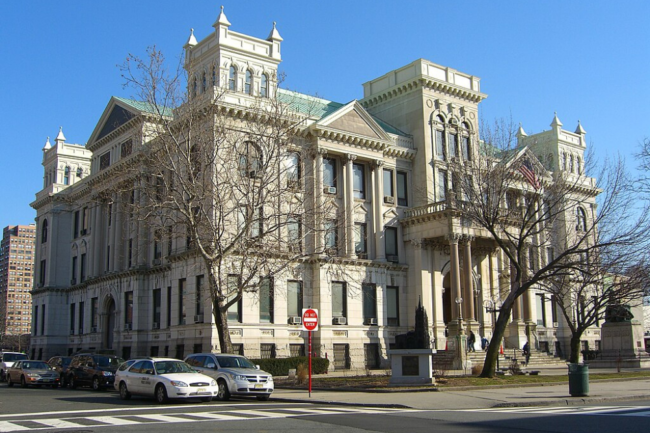
1. The Budget Is a Legal Spending Plan
Every year, the city goes through a process of creating, proposing, and approving a municipal budget. This plan outlines how money can be spent and collected in a given year.
The mayor’s administration first prepares the proposed budget based on department requests, financial reviews, and projected revenue and expenses. It is then presented to the Jersey City Council, who may hold meetings and make adjustments before approving a final budget.
Once adopted, the budget authorizes city spending and revenue collection for the year; changes generally require formal budget amendments or other council action.
2. The Budget Affects Every City Service
From the police department to roads and sanitation, the budget can determine the scope, availability, and quality. Officials may reduce, restructure, or in some cases eliminate funding for certain programs to reduce expenses.


3. Jersey City Is Facing a $255 Million Budget Gap
The Solomon administration released a report in February that documented a roughly $255 million deficit for 2026. This would make up about 28% of the 2026 budget.
When the amount of revenue is less than the accrued expenses in a year, then that is operating in a structural deficit. Unlike a one-time shortfall, it reflects an ongoing imbalance between spending and income.

According to the Solomon administration, it includes about $109 million in unpaid bills from prior years, rising healthcare and retirement costs, the loss of one-time revenue sources such as land sales, depleted reserve funds, and the ongoing structural deficit.
“Jersey City’s spending in 2026 will far outstrip the revenue it takes in, leading to an over $250 million budget deficit,” said the Solomon administration.
4. The City Has Multiple Sources of Revenue
Most people think of property taxes in regard to government budgets. Jersey City receives revenue from not just property taxes, but state aid, fees and licenses — parking, permits, fines — Payments in Lieu of Taxes, also known as PILOT, and other local revenue like interest earnings and service charges.
5. The Biggest Expense Is Paying City Employees
The city’s budget accounts for categories such as public safety, salaries and benefits, employee healthcare, debt services, operations, and long-term projects. The city called employee health insurance the “largest single measure” for savings, not necessarily the largest expense category overall.
In Mayor Solomon’s interim budget report, he plans to reduce costs by $25.8 million by switching from Horizon to Aetna. The administration also plans to audit healthcare claims to stop paying for ineligible enrollees.
Cities nearby share some similarities. The biggest line item for Bayonne’s budget is employee salaries and wages, totaling $68,803,285 in the most recently introduced budget. Hoboken’s recently adopted budget allocates the most toward public safety at around $45.5 million and insurance at about $32 million.
In a similarly sized city, Elizabeth passed a $347.8 million municipal budget that allocates the most money toward salaries and wages at around $150.7 million.
Read More: Hoboken City Council to Vote on 2026 Budget
6. An Introduced Budget Isn’t Final
The budget process has been underway for weeks. In February, the administration released a report warning that the city faces a $250 million deficit that would require extensive cuts and changes. In the following months, Solomon implemented cost-saving measures such as switching the city’s health insurance company, freezing non-essential hiring, reducing overtime, and eliminating vacant positions.
On June 16, the mayor released the interim budget report that fully outlined the city’s financial status and plans for the budget. A few days later, the city council unanimously voted on a non-binding resolution urging the New Jersey Office of the State Comptroller to audit the city’s finances for several years during previous Mayor Steven Fulop’s administration.
Mayor Solomon will present the full proposed budget during the City Council caucus meeting on July 13. Council members will begin discussions, and the budget documents are expected to be publicly viewable.
On July 15, the City Council will formally introduce the budget as the first legislative step in the process. Budget hearings and reviews will follow as the council reviews the proposal in detail.
Voting to adopt the budget is expected to take place in early August.
7. Yes, Residents Can Help Shape the Budget
Mayor Solomon announced a series of community town halls across Jersey City to discuss the budget and voice concerns. Residents can attend the meetings to ask questions, learn more about the proposal, and provide public feedback.
The meetings will take place on the following dates with locations to be announced soon:
- July 7th at 6:30PM
- July 8th at 6:30PM
- July 11th at 11:00AM
- July 16th at 6:30PM
Residents can also contact the city council by visiting the city website and looking for their ward representative. The public can speak at council meetings by registering on the city council agenda website.
8. The City Is Looking for New Revenue
The city is looking to raise non-tax revenue before turning toward “residents’ pockets,” according to the administration. Under Solomon’s plan, this means updating fees, code enforcement, parking rates, reviewing tax abatements, and improving city services’ efficiency.
With these initiatives and others, the administration claims they will bring in at least $15 million in recurring annual revenue.
Jersey City is also receiving a $120 million state financial assistance package to assist with the budget deficit after state officials approved it as part of the state budget. According to the Solomon administration, the package includes a $105 million low-interest loan and $15 million in transitional aid grants.
“That is really going to help. That’s gonna avoid these worst case awful scenarios: 31% tax increase, mass public safety layoffs. It’s gonna help us get through this historic budget crisis,” Mayor Solomon said.
9. Major Spending Cuts Are Also on the Table
City officials say they are looking for ways to reduce city spending. The administration has already implemented measures such as eliminating vacant positions, freezing non-essential hiring, and reducing overtime.
The Solomon administration has also announced reductions to some city programs and commitments. Via transportation, Jersey City’s public rideshare service, will have reduced hours starting July 1, and Saturday services will end entirely. The city also withdrew an annual $2 million commitment to funding Liberty High School.
See More: New Jersey Ranked the Third-Loudest State in the U.S.
10. Property Taxes Could Rise Significantly
Among the most controversial plans Solomon has proposed is increasing property taxes by 20%. The tax increase must be presented to the council for a vote and, if passed, will begin to take effect in the third quarter of 2026.
Solomon previously planned to propose the increase to the City Council on June 24 during a council meeting. However, he delayed the vote to July 1 to hear more public feedback and consider other areas to cut. Since receiving financial assistance from the state, Mayor Solomon announced the tax rate would be decreased to 15%.
Solomon blames the city’s financial crisis and subsequent tax hikes on decisions made by former Mayor Fulop. However, Fulop has rejected the blame and notes that Solomon was on the city council for years with “full budget responsibilities.”
“We obviously disagree. Had I chosen to run for re-election, we would have introduced another budget with no tax increase for Jersey City residents as we did nearly every year,” Fulop said.
Follow @thehobokengirl on Instagram + TikTok for the latest Hoboken and Jersey City updates, sign up for our weekly newsletter here that shares everything you missed each week, and check out our events calendar, which has over 100+ events weekly to peruse.