Kerrie Joyce
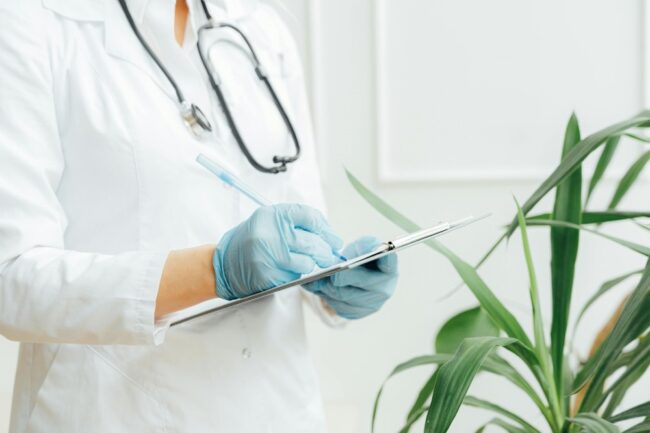
In order to address the often flawed nature of reporting sexual assault, NJ Attorney General Matthew Platkin announced the rollout of a new program to track the progress of Sexual Assault Forensic Exam (SAFE) Kits, more commonly known as “rape kits” in July of 2025. New spotlight has been drawn to the nationwide backlog of rape kits, where kits that have been collected at hospitals from consenting victims seeking legal routes of justice, fall behind due to a high volume of kits and can get lost in the shuffle — some are even destroyed for space. On January 12th, 2026, the New Jersey State Senate voted 38-0 to pass a bill that would require all SAFE kits to be tested with the consent of the survivor. According to the non-profit organization, End the Backlog, New Jersey is currently at a backlog of 5,873 untested kits. Continue reading for more about recent changes to the SAFE Kits processing system in New Jersey.

About the SAFE Kit + Infamous Backlog
Nearly a decade out from the momentum of the #MeToo Movement, flaws in the path towards justice for victims of sexual assault remain, most notably, the rape kit backlog. The cause of the backlog is multifaceted, according to End the Backlog. One cause is the lack of written protocols where decisions on SAFE Kit processing are made on a case-by-case basis. Also heavily influential is the lack of prioritization and doubt victims of sexual assault are subjected to by law enforcement in comparison to other violent crimes, in addition to a lack of training, especially trauma-informed training. Buzzfeed News conducted an extensive investigation on instances of this in Baltimore County, Maryland, in 2016, amongst other outlets’ investigations cited under End The Backlogs’ Resources page.
Read More: Flood Risk Must Be Disclosed in NJ Real Estate: Here’s What That Means in Hoboken + Jersey City
Whether or not the identity of the perpetrator is known is also a largely contributing factor, with many jurisdictions only testing kits with an identified assailant. End the Backlog notes that assailants who attack people they know may also commit crimes against victims they don’t know, and even assailants who are never identified by any of their victims can be serial predators. Decades-old evidence from rape kits, in addition to popular genealogy kits such as Ancestry, was famously behind the identification and apprehension of the Golden State Killer. According to New York City’s Test Every Kit Initiative, the original protocol for the city in the 1980s and 90s was to only test kits after an arrest was made, which resulted in a backlog of 17,000 kits.
A recent book released about the creation of the rape kit, The Secret History of The Rape Kit by Pagan Kennedy, is drawing attention to the prevalence of sexual assault, untested rape kits, and reveals how the kit came to be created in 1978, and why its creator, Martha Goddard, allowed a man to take credit for her invention so that it would be taken seriously by hospitals and law enforcement agencies. In most states, rape kits as we know them today are collected by specifically trained forensic nurses, who will then coordinate with law enforcement.


What is Changing in New Jersey?
In an interview with New Jersey Spotlight News, first assistant Attorney General Lyndsay Ruotolo spoke on the new system aiming to address the backlog and lessen incidents of associated retraumatization for victims. The new system increases transparency for victims regarding the status of their case, allowing them to track the progress of their SAFE Kit through law enforcement channels and lab testing, if they choose to. As the announcement states and Ruotolo reiterated, the new tracking system is also optional, as an attempt to be more trauma-informed in their approach toward working with sexual assault survivors. Unwanted or unexpected alerts regarding the status of their case or kit can often be a significant disruption in the post-traumatic healing process for survivors.

Regarding the new approach, AG Platkin stated via a press release, “This builds on our previous efforts to increase transparency and reduce trauma by re-centering this process on the survivor. We have changed the way law enforcement and prosecutors handle these cases, and we have made it easier for victims and survivors to access information and resources to support them in the aftermath of victimization.” Ruotolo told Joana Gagis with NJSN that the new system will “Create accountability for the more than 6,000 kits that have been collected but not yet tested.”
Per News 12 New Jersey, as of January 12th, 2026, a bill to mandate the testing of all rape kits has been passed unanimously by the Senate and Assembly. Bill NJ A3753, also known as the Sexual Assault Evidence Submission Act, marks a historic victory for sexual assault survivors in New Jersey. Outgoing Governor Phil Murphy is expected to sign the bill into law before his term concludes on January 20th, 2026.
Protocol in Other States
From a national standpoint, according to End the Backlog, “To date, more than 225,000 untested kits have been uncovered by investigative reporters and through The Accountability Project, a Joyful Heart initiative that uses public records requests to uncover the number of untested kits in municipalities across the country.”
By End the Backlog’s measures, compared to other states, New Jersey has made significant advancements in ending the backlog and improving survivors’ path towards legal justice, while still falling behind efforts of other states like New York, Colorado, and Illinois. Illinois, importantly, has a standing count of 0 untested rape kits in its backlog, and has received praise from advocates for allocating state funding towards reform, and fully clearing its backlog in 2022.
See More: 20 Montclair Area News Stories This Week
If you or someone you know is in need of help, RAINN and NJ Coalition Against Sexual Assault resources are linked, and both organizations provide confidential, 24-hour support hotlines.
Follow @thehobokengirl on Instagram + TikTok for the latest Hoboken and Jersey City updates, sign up for our weekly newsletter here that shares everything you missed each week, and check out our events calendar, which has over 100+ events weekly to peruse.